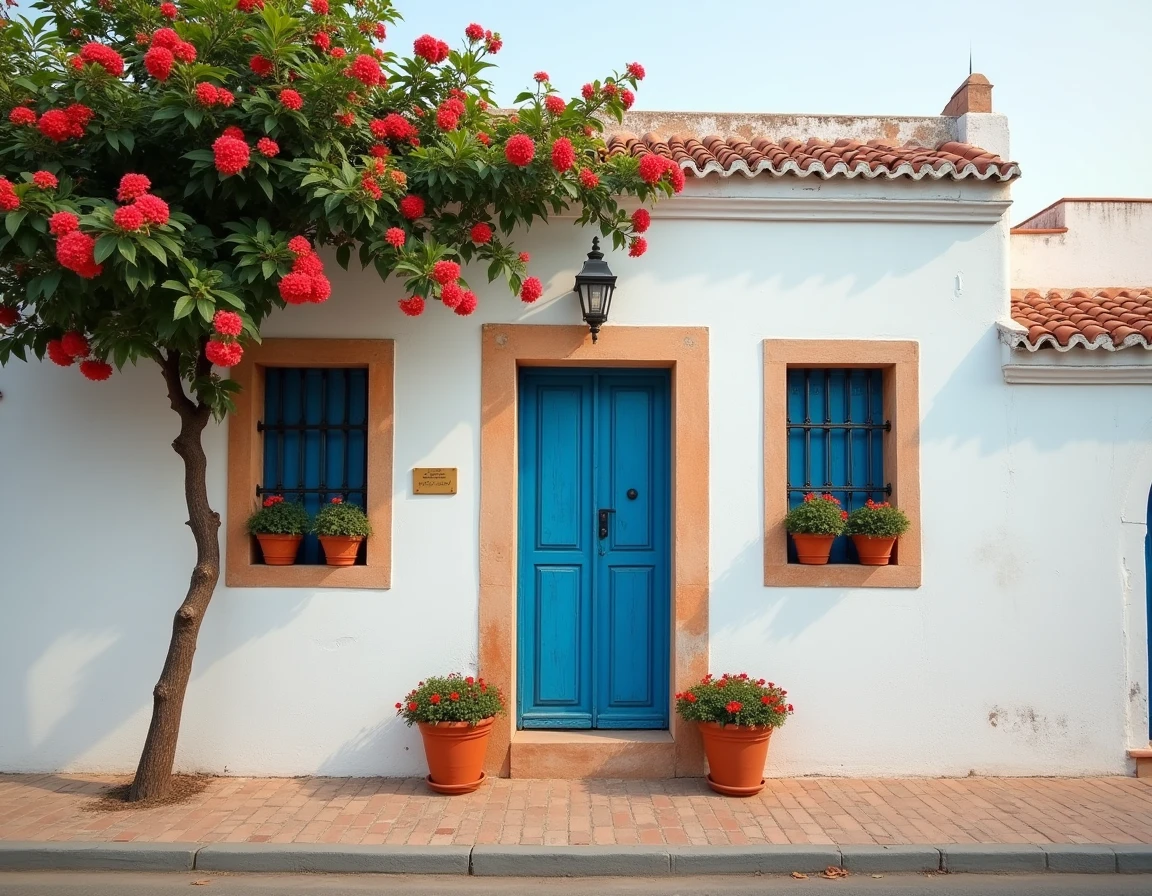
When looking for a house with a garden on the outskirts of Essaouira to settle in for several months, the first challenge is not finding an advertisement. Offers circulate on Facebook, in local real estate groups, and through word of mouth in the cafés of Ghazoua or along the Sidi Kaouki road.
The real problem begins at the moment of signing: oral lease, absent owner, vague land title, blocked water meters. Here, we will detail the concrete points that make the difference between a smooth move-in and one that turns into an administrative tug-of-war.
Check the property title before signing a lease in Essaouira
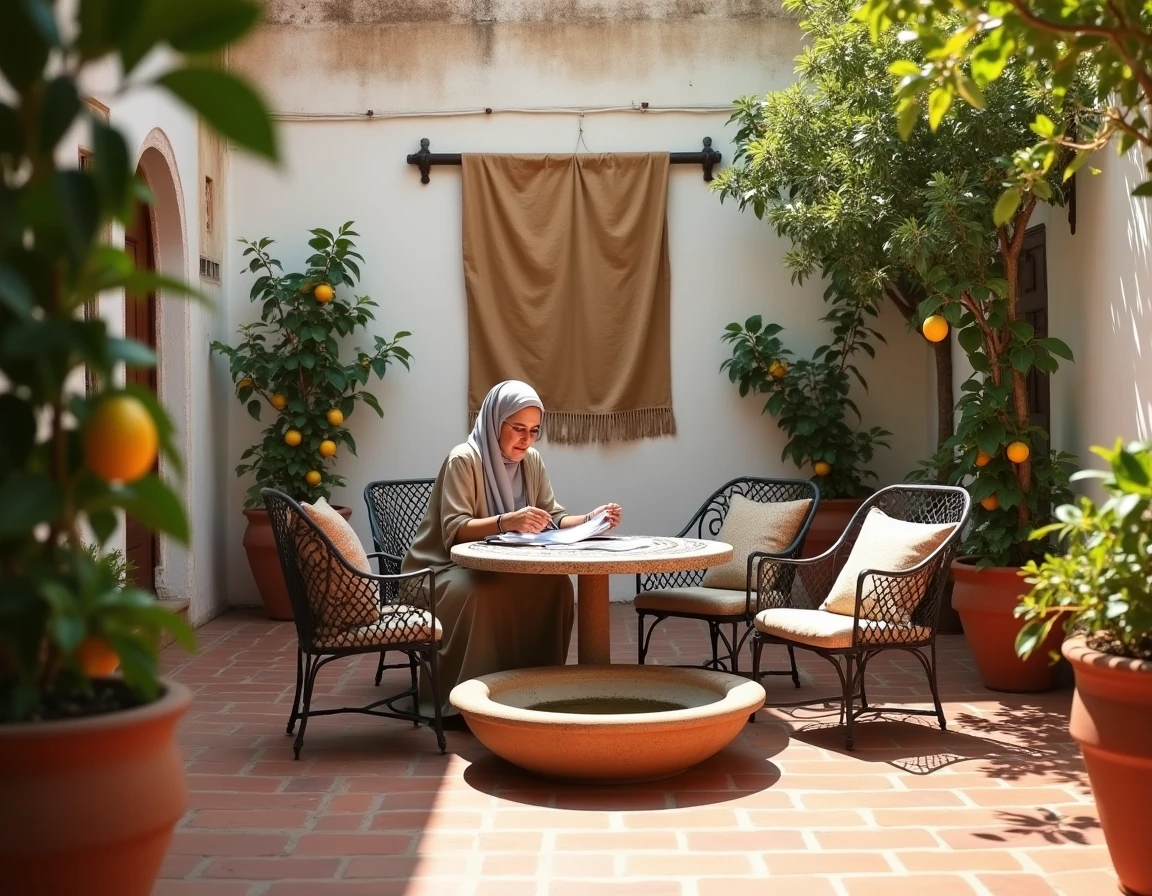
Before even discussing rent, ask the owner for a copy of the land title (melkia title or property title at the land registry). This document proves that they have the right to rent. Without this document, you risk discovering after moving in that the house is subject to a family dispute or an unresolved co-ownership issue.
Houses with gardens located on the outskirts (Ghazoua, Kaouki road, Diabat) pose an additional problem. Several recent testimonies report an increase in urban planning compliance checks during requests for the transfer of water or electricity contracts. If the construction is not fully compliant, or if a landscaped garden or pool has been added without permission, the meter transfer can be blocked for weeks.
Specifically, we check three things: the property title matches the visited property, the cadastral address is consistent, and the meters are in the owner’s name (not an old tenant who has disappeared). If any of these points are problematic, we negotiate before paying a single dirham.
This logic of caution is also found among those looking for a long-term rental in Essaouira from a private owner with a small garden, where the contractual framework between individuals deserves heightened attention.
Legalized lease and deposits: securing rentals between individuals
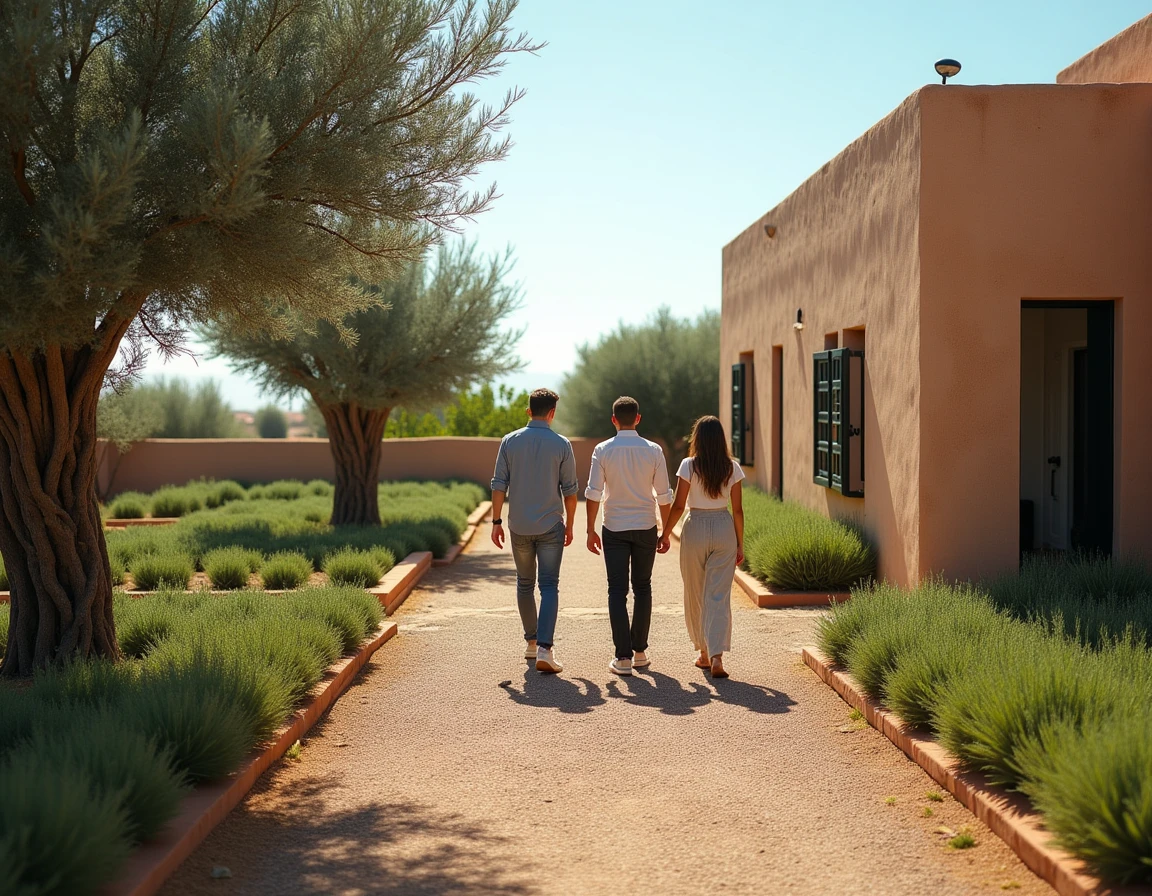
In Morocco, many rentals between individuals are still done on a verbal agreement and a handshake. For a house with a garden rented for several months, this practice becomes a trap. Moroccan banks now require a legalized written lease to open certain accounts in dirhams or justify a change of tax residence. Without this document, you can find yourself administratively blocked.
What the lease must contain
- The full identity of the owner and tenant, with copies of identification documents (CIN for a Moroccan, passport for a foreigner)
- A precise description of the rented property: address, approximate area, number of rooms, presence of the garden and its facilities (well, irrigation, fence)
- The amount of monthly rent, the currency of payment (dirhams), payment terms, and the amount of the security deposit
- The duration of the lease, renewal conditions, and notice period (usually one to two months)
The lease should be legalized at the nearest municipality (moqata’a). The procedure takes less than a day and costs a few dozen dirhams. An owner who refuses legalization sends a clear warning signal.
Management of deposits and security deposits
The local practice often involves asking for two months’ rent in advance plus one month as a security deposit. Never pay in cash without a signed receipt from the owner, stating the amount, date, and purpose of the payment. In case of a dispute, this receipt is the only enforceable proof.
If the owner asks for six months or a year in advance, it indicates mutual distrust, but also a major financial risk for the tenant. A compromise can be proposed: three months in advance with a legalized lease and a photographed inventory.
Neighborhoods with gardens around Essaouira: where to search concretely
In the medina, there is no garden. Riads offer patios, sometimes a green terrace, but no ground-level green space. For a real garden, you need to leave the city.
Ghazoua concentrates the majority of available beldi houses with gardens for long-term rental. This village located a few kilometers from Essaouira offers traditional houses with land, often in a calm environment close to the forest. Rents remain more affordable than in the city, but feedback varies on the quality of finishes and the regularity of water supply.
The Sidi Kaouki road attracts a different profile: families and remote workers looking for space. Here, you can find country houses with larger gardens, sometimes a pool. The trade-off is the distance: a vehicle is needed for shopping and administrative tasks in the city.
Diabat, closer to the city, offers a few intermediate options. The village remains small, the supply limited, and demand has significantly increased since digital nomads and European families have been seeking year-round houses around Essaouira.
Transferring water and electricity meters: a frequent bottleneck
This step is often underestimated. Transferring the meters to the tenant’s name (or activating them if the property was vacant) requires presenting the legalized lease and a copy of the property title. If the house with a garden is located in a suburban area and work has been done without a permit, the operator may require regularization before activating the meter.
Before signing, ask the owner for the latest water and electricity bills. Two quick checks:
- The bills are up to date (no unpaid bills that would block the transfer)
- The meter is properly installed and functional (some houses on the outskirts still operate with a well and a generator, which radically changes daily life)
- The police number corresponds to the address of the rented property
A non-transferable meter often reveals a compliance issue that the owner has not resolved. It’s better to discover this before moving in than after having paid three months’ rent.
The competition for houses with gardens on the outskirts of Essaouira sometimes pushes people to sign quickly. This is exactly when poor decisions are made. A legalized lease, a verified title, transferable meters: these three points are well worth a few extra days of research.