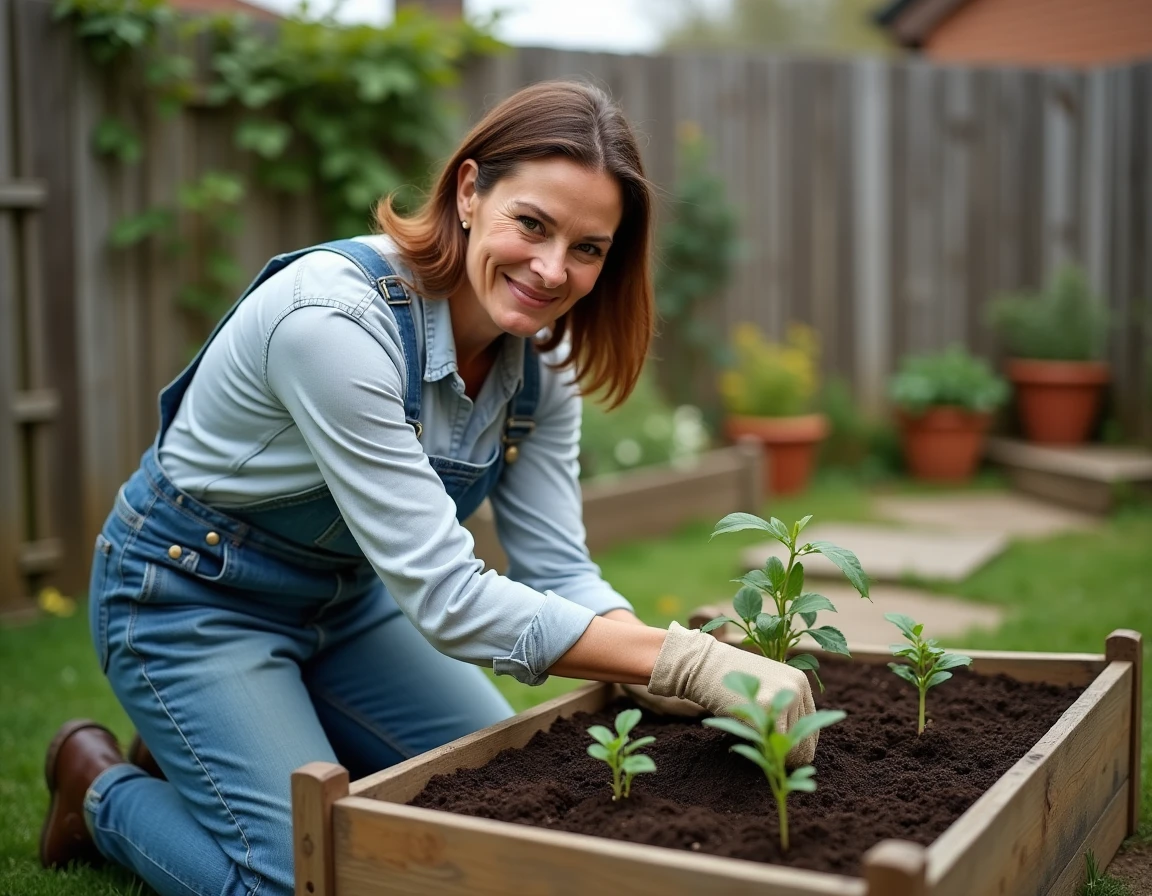
Designing a garden that remains attractive from January to December is not just about planting perennials and mowing regularly. The determining factor, which separates a lush outdoor space from a tired plot by July, lies in how each maintenance action aligns with the local climate calendar and the nature of the soil.
Water consumption in the garden: what drought orders change concretely
Since 2023, drought orders have been multiplying in France, occurring earlier in the season and covering areas that were previously spared. The Ministry of Ecological Transition has generalized “water-saving” plans in municipalities, with watering bans during the day, sometimes completely during certain periods.
This regulatory tightening changes the approach to garden maintenance throughout the year. It is no longer about choosing between automatic or manual watering, but about rethinking the role of water in every planting decision.
| Practice | Before restrictions | With drought orders |
|---|---|---|
| Lawn watering | Daily in summer, often in the middle of the day | Prohibited during the day, sometimes completely suspended |
| Choice of plants | Decorative species without water criteria | Priority to water-efficient plants and suitable perennials |
| Planting period | Systematic in spring | Shift to autumn to take advantage of natural rainfall |
| Grass area | Dominant lawn | Reduction in favor of ground covers, gravel, dry areas |
This table summarizes a fundamental shift. The gradual abandonment of certain traditional lawns is already a reality in regions subject to recurring restrictions. Mediterranean flowers and shrubs (lavender, rosemary, gaura) are gaining ground in gardens located well north of their original range.
To find water recovery equipment, mulching tools, or drip irrigation kits, the garden at Univers du Bricolage offers a catalog tailored to these new constraints.
Soil and mulching: the two levers that reduce garden maintenance
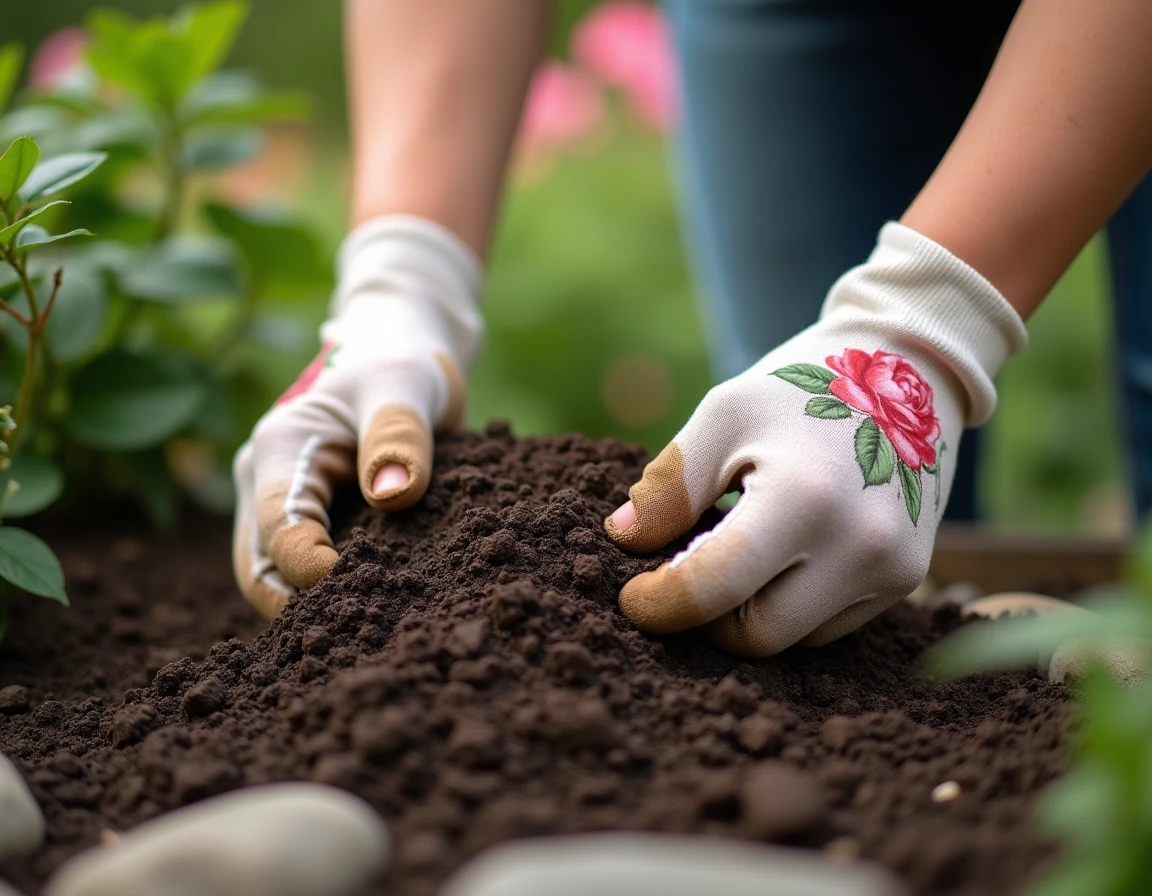
Before focusing on plants, one must look beneath their feet. Compacted or depleted soil poorly absorbs rainwater, dries out quickly, and encourages unwanted weeds. Designing a sustainable garden starts with a simple assessment of the soil.
Soil texture and amendment
Clay soil retains water but can easily become suffocated. Sandy soil drains too quickly. In both cases, adding homemade compost or decomposed organic matter improves the structure over several years. Amending the soil in autumn prepares for spring plantings much better than a last-minute chemical fertilizer.
Mulching: thickness and materials
Mulching reduces evaporation, limits the growth of weeds, and nourishes the soil as it decomposes. Not all mulches are equal:
- Wood chips are suitable for shrub beds but slightly acidify the soil over time, which can hinder some calcicole flowers
- Wheat or hemp straw works well in vegetable gardens and decomposes in one season, requiring annual renewal
- Shredded leaves make a free and balanced mulch, ideal for perennial flower beds and fruit tree bases
- Mineral gravel, suitable for dry gardens and Mediterranean species, does not decompose and does not nourish the soil
A sufficiently thick mulch reduces watering by about half compared to bare soil exposed to direct sunlight. It is the most time- and water-efficient maintenance action.
Planting calendar and biodiversity: spreading blooms without multiplying efforts
An attractive garden year-round relies on a simple botanical principle: combining species whose blooming and visual interest periods overlap or alternate.
Perennials, bulbs, and grasses: the underestimated trio
Perennials (echinacea, sedums, daylilies) form the backbone of the garden. They return each year, require little watering once established, and structure the beds. Spring bulbs (crocuses, daffodils) and autumn bulbs (colchicums, cyclamens) provide color during the low periods. Ornamental grasses add movement and remain decorative even in winter, when their dry spikes catch the low light.
Planting in autumn allows roots to settle before summer stress. This shift is becoming increasingly logical due to watering restrictions.
Biodiversity labels: a concrete framework for landscaping
The “LPO Refuges” (League for the Protection of Birds) initiative and the “Noah’s Garden” label provide practical references for structuring a garden that is favorable to local wildlife. Since 2022, registrations for these programs have increased, including in urban and peri-urban areas.
The recommendations of these labels align with good maintenance practices: leaving areas fallow, limiting frequent mowing, installing water points, planting diverse hedges instead of monoculture thujas. These actions also reduce gardening time, as an area managed with late mowing requires two to three interventions per year instead of weekly mowing.
Seasonal garden maintenance: the actions that really matter
Rather than a list of monthly tasks, it is better to identify a few high-impact interventions and ignore those that are habitual without real benefit.
- At the end of winter, cleaning grasses and pruning summer-flowering shrubs concentrates effort at the right time
- In spring, manually weeding young unwanted shoots takes only a few minutes if the mulch was properly applied in autumn
- In summer, targeted watering of recently planted plants is sufficient when the rest of the garden is mulched and consists of suitable species
- In autumn, adding compost, planting bulbs, and mulching prepare for the next cycle
Each season prepares the next. A well-designed garden from the start requires less and less maintenance over the years as plants take root and the soil enriches. Choosing the right species, combined with a living soil and regular mulching, remains the most effective strategy to enjoy a pleasant outdoor space without dedicating every weekend to it.