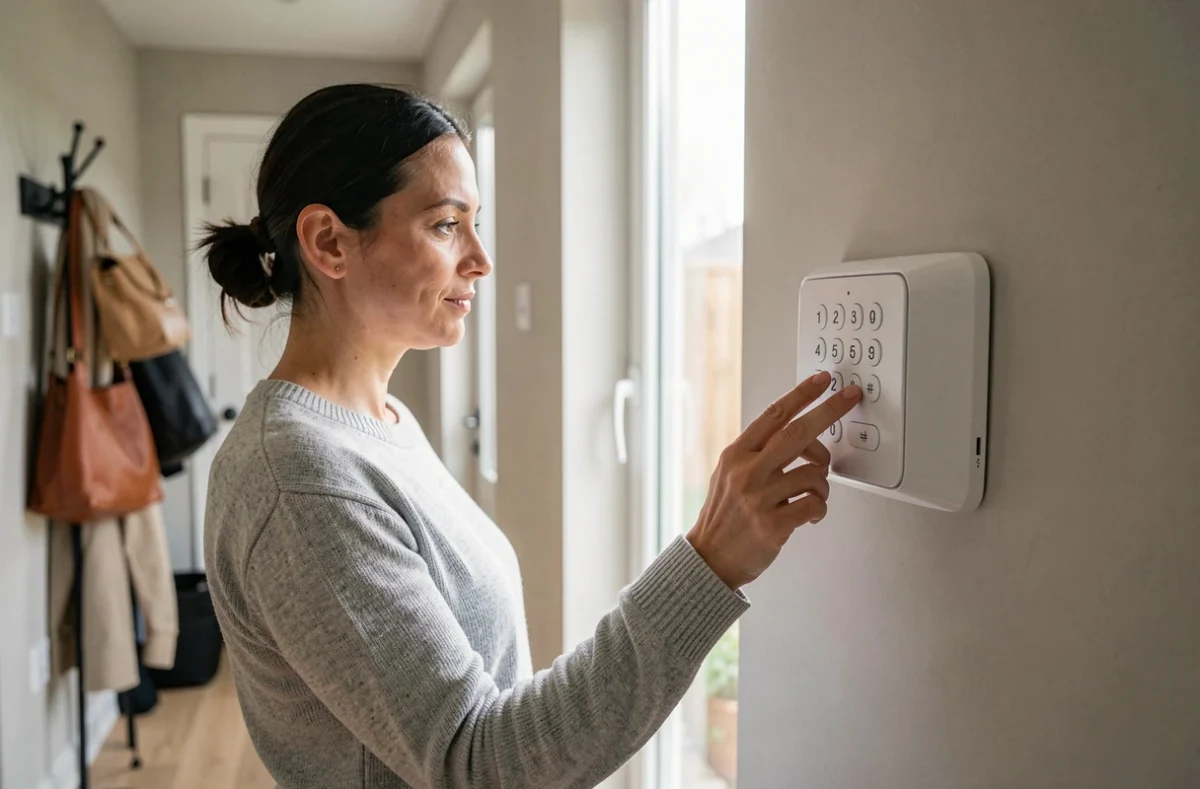
Disarming a Verisure alarm may seem like a trivial, almost routine action. The badge passes in front of the reader, the beep sounds, and the system disarms. The reality is more nuanced: depending on the installed equipment, the activated mode, and the contractual options subscribed, the deactivation does not produce the same effects on all connected devices.
What deactivation does not cut off on a Verisure installation
The least documented point by competing guides concerns the actual scope of a disarmament. When you present your badge or press the button on the My Verisure app, the protection mode stops, but other functions remain active.
On installations equipped with cameras, video recording may continue to operate independently of the alarm status. Remote monitoring retains temporary access to the images after a trigger, in order to verify the nature of the alert. If you really want to stop all recording, you need to act separately in the camera settings of the app.
Another subtlety: the SOS alert function may remain operational even when the system is disarmed. Emergency mechanisms and video verification follow their own logic, distinct from the general protection mode. Checking the status of these functions in the app avoids surprises, especially if you have children or elderly people who use the SOS button daily.
This distinction between alarm deactivation and management of associated devices deserves to be understood before attempting to deactivate a Verisure alarm using one method or another available.
Methods for deactivating a Verisure alarm: badge, app, and alternatives
The Verisure system offers several disarmament interfaces. Each responds to a different usage context, and all require authorized authentication.
Badge and wall reader
This is the most common method. You present the badge in front of the reader installed near the entrance. The disarmament is immediate. The reader recognizes the badge assigned to your user profile and logs the event in the system’s journal.
My Verisure app
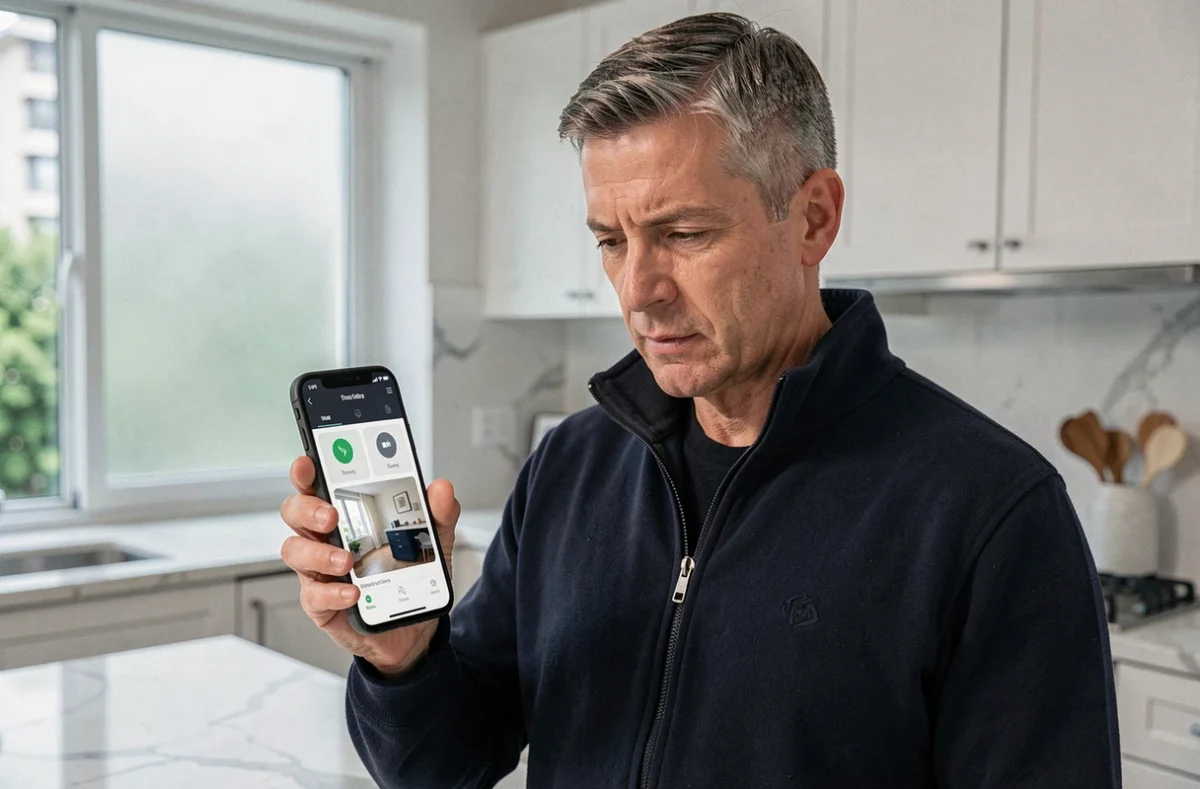
From a smartphone, the app allows for remote disarmament. This option is useful when a loved one arrives at your home in your absence, or if you have forgotten your badge. Deactivation via the app is tracked and time-stamped, allowing remote monitoring to distinguish a legitimate action from a suspicious attempt.
Remote control and user code
The Verisure remote control operates via radio frequency. It allows for quick disarmament from outside the home, within a limited range. In some configurations, a user code entered directly on the control panel offers an additional alternative in case of simultaneous loss of the badge and phone.
- Badge on wall reader: instant disarmament, suitable for daily use
- My Verisure app: remote deactivation, complete traceability
- Remote control: convenient outdoors, limited range
- User code on keypad: backup solution when other means are unavailable
Verisure alarm ringing for no reason: false alerts and their causes
An unexpected trigger places the user in a stressful situation. The siren sounds, remote monitoring tries to contact the owner, and the pressure sometimes leads to inappropriate actions.
The majority of false alerts come from poor positioning of the detectors. A motion sensor aimed at a heat source (radiator, sun-exposed bay window) or towards a pet passage area triggers the system without any real intrusion.
In the event of an active siren, the procedure is to identify oneself to the remote monitoring center, either by phone or via the app. Attempting to physically cut off the power to the control panel does not resolve anything: Verisure equipment has a backup battery, and a sudden cut generates an additional alert sent to the monitoring center.
To reduce false triggers, it is advisable to request a readjustment of the detection zones during a technical visit. Self-modifying the orientation of a detector may invalidate the coverage intended during the initial installation.
Permanent deactivation and termination of the Verisure contract: two distinct processes
Stopping your system every morning does not end your contractual obligations. The confusion between daily deactivation and termination of the remote monitoring service frequently arises in user feedback.
The remote monitoring contract continues as long as a formal termination has not been initiated. The installed equipment remains the property of Verisure in most plans, and the monthly payment continues regardless of the actual use of the system.
The termination procedure follows specific conditions (commitment duration, notice period, possible return of equipment). Removing the wall-mounted boxes by yourself after termination raises a question of liability: damages caused to the support or equipment may incur additional costs if the uninstallation was not included in the contractual framework.
- Daily deactivation: technical gesture with no impact on the contract
- Termination: administrative process with notice and return conditions
- Physical uninstallation: to be verified with customer service before any intervention
Before handling anything on the fixed equipment, a call to Verisure customer service can clarify what falls under the user’s responsibility and what requires a technician’s intervention. The distinction between disarming your alarm daily and separating from the system as a whole remains the point where user feedback diverges the most.