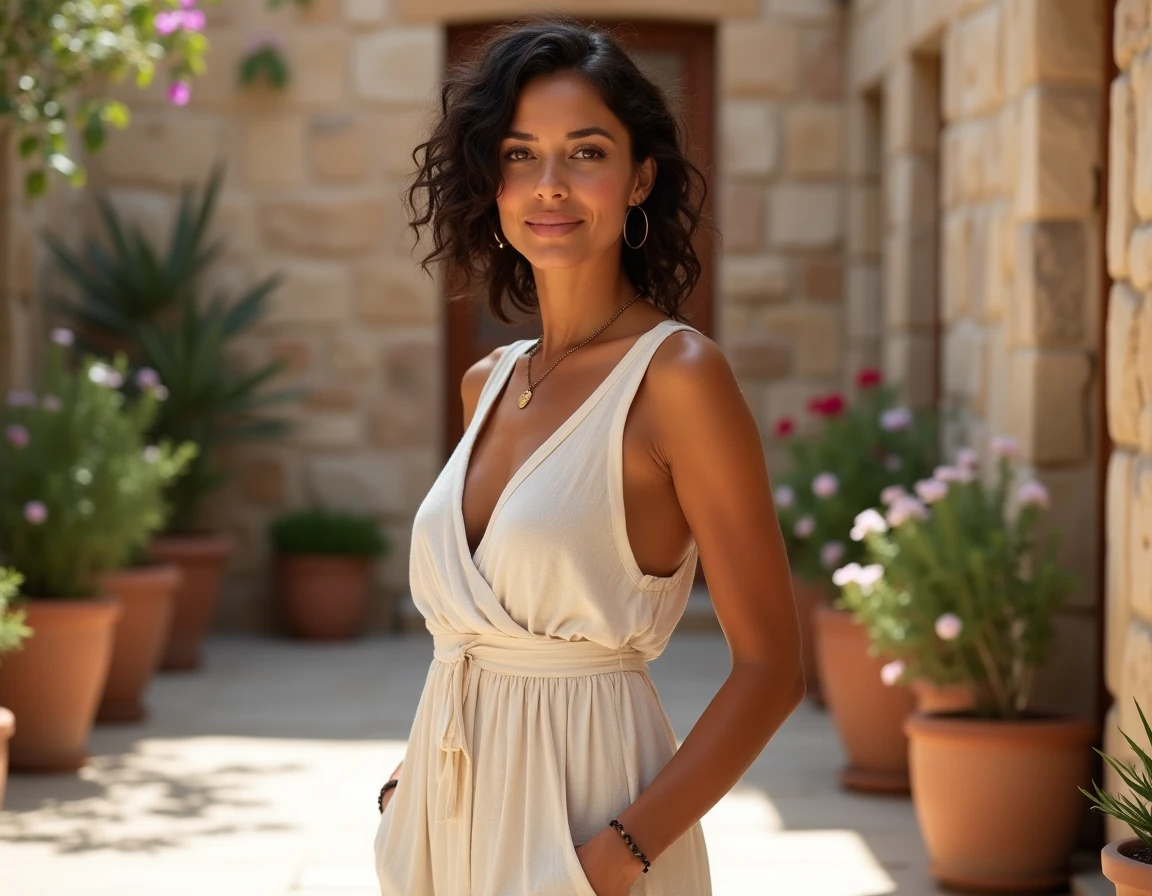
When looking at advertisements from the 1990s compared to those today, the contrast is striking. Beauty standards for women have never been fixed: they shift with available techniques, cosmetic materials, and distribution channels. Understanding these shifts helps decode what is presented to us as natural or desirable at any given time.
Filters and cosmetic surgery: when the digital face sets the norm
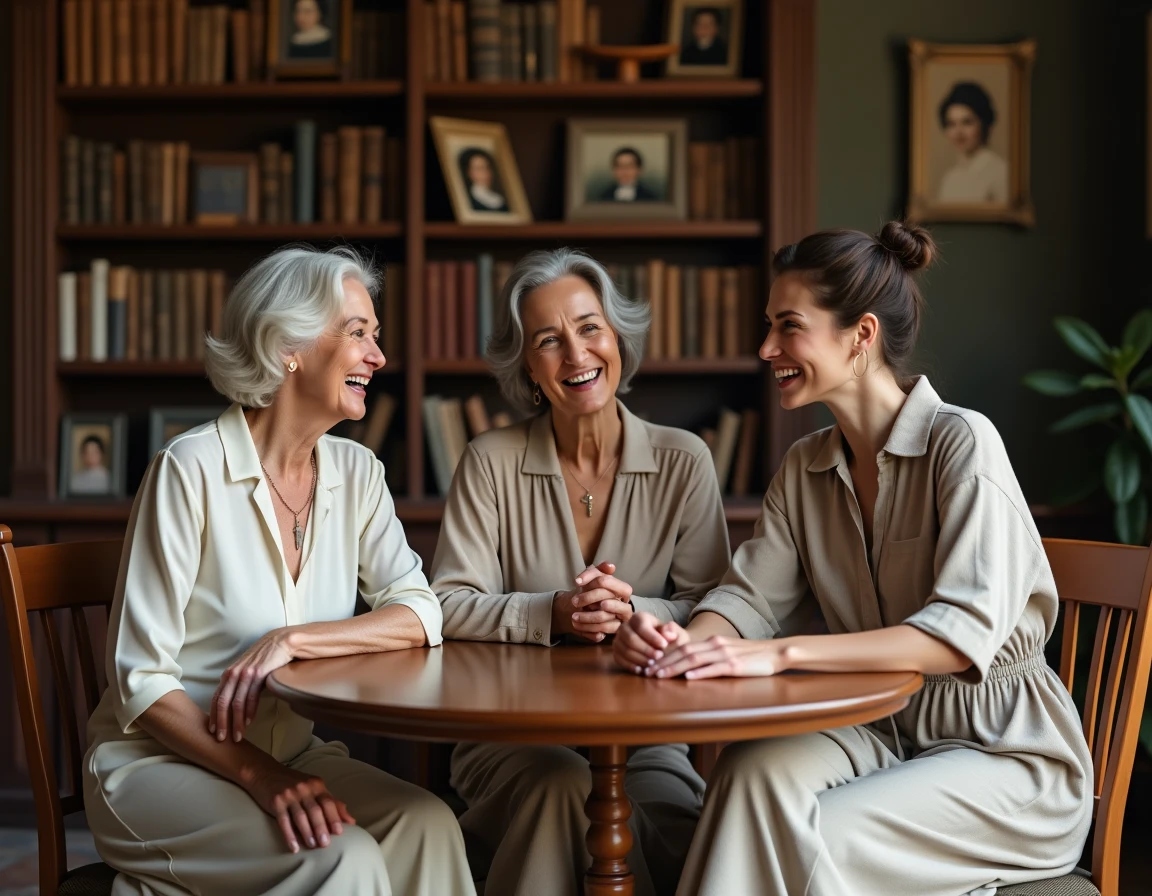
We start here because this is the phenomenon that has been redefining female beauty standards for several years, far more than fashion shows or magazines. Since 2021, several scientific societies in cosmetic surgery have reported a significant increase in requests directly inspired by Instagram or Snapchat filters.
Surgeons mention specific requests: “V-line” (V-shaped jaw), enlargement of the eyes through the creation of a double eyelid, lips reshaped according to a model seen on a content creator. The filter becomes the reference, not the real face.
By exploring female beauty standards across different eras, we find that this mechanism is not entirely new. Painted portraits during the Renaissance already served as idealized models. The difference today lies in the speed of dissemination and accessibility: anyone can apply a filter, compare the result to their natural face, and consult a practitioner right away.
Ideal female body: what changes from decade to decade
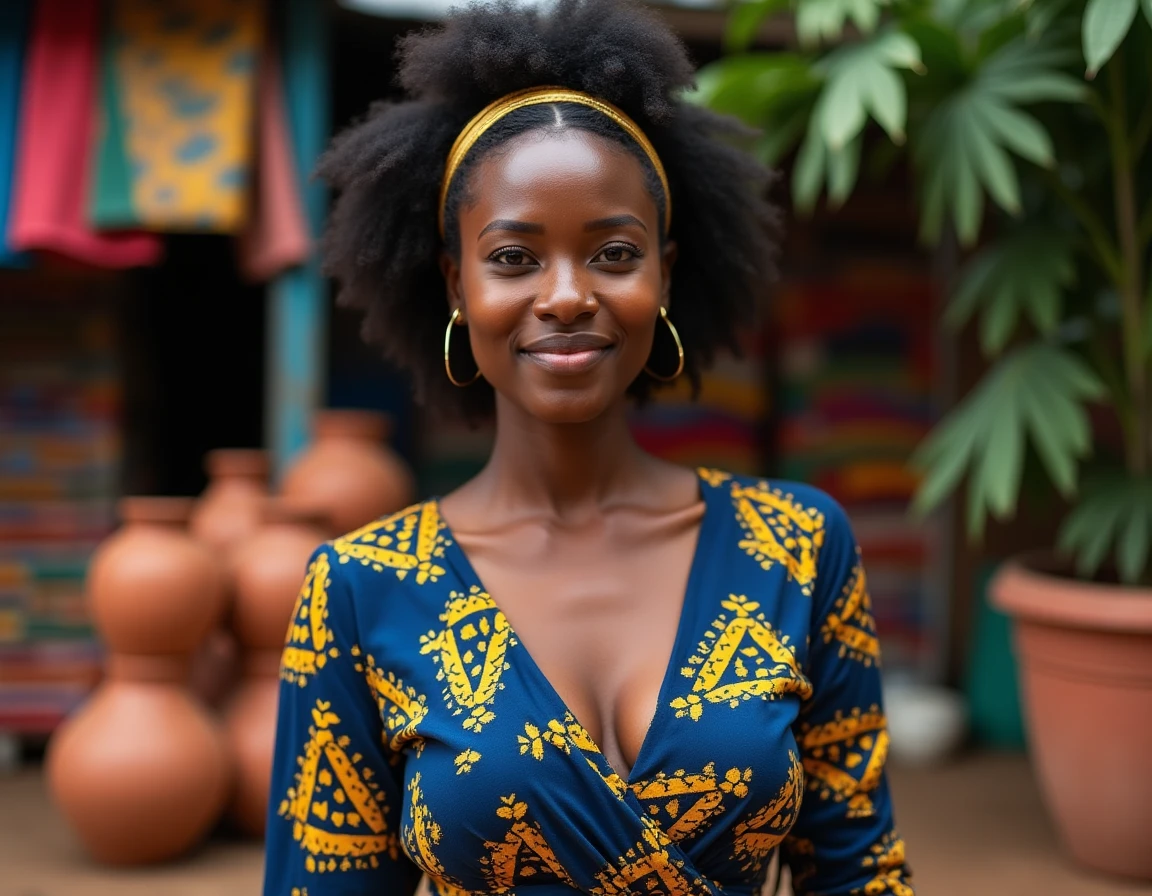
The silhouette valued in the media is constantly oscillating. The generous curves celebrated with Marilyn Monroe in the 1950s gave way to extreme thinness in the 1990s, before a return to pronounced curves in the 2010s. Each decade redefines the desirable morphology.
This pendulum does not only affect weight or height. It also concerns the bust, hips, buttocks, and even skin texture. Here are the major documented shifts:
- 1920s: androgynous silhouette, flattened bust, short hair, the ideal moves away from Victorian curves for the first time on a large scale
- 1950s-1960s: return of the defined waist and emphasized bust, driven by Hollywood cinema and advertising
- 1990s-2000s: pronounced thinness, very slim models on the catwalks, the “zero defect” body becomes a media standard
- 2010s-2020s: overt valorization of curves, but within a very standardized framework (hourglass silhouette, flat stomach, smooth skin)
A common point is noted: in each era, the dominant criterion is presented as natural while it implies constraints (corsets, diets, surgery, photo retouching). The ideal of female beauty is always a technical construction.
Skin, makeup, and complexion: beauty standards rooted in geography
Light skin has long dominated Western beauty standards. In ancient Greece, women used powders to unify and whiten their skin. In the Middle Ages, paleness signaled a high social status, distancing from outdoor work. This norm has persisted through the centuries in Europe.
In East Asia, the valorization of light skin remains very present in contemporary cosmetic practices. Whitening products occupy a significant share of the beauty market in several countries in the region.
Conversely, tanning became a marker of beauty in the West starting in the 1920s-1930s, when sun vacations became a sign of leisure. The same criterion (light or tanned skin) changes meaning depending on the cultural context.
Makeup as a tool for redefinition
In ancient Egypt, kohl served both as sun protection and an aesthetic marker. Under Louis XIV, beauty spots (false moles) and elaborate wigs codified appearance at court. Modern makeup, which emerged in the 1920s with women’s emancipation, transformed the face into a canvas for personal expression.
Today, online tutorials and augmented reality filters have replaced women’s magazines as trendsetters. Contouring, popularized in the 2010s, optically sculpts facial features to approach an ideal symmetry. Reactions vary on this point: some users see it as creative freedom, while others view it as additional pressure.
Body positivity and diversity in fashion: real inclusion or calibrated marketing?
Since 2020, fashion and cosmetic brands have showcased more diversity in their campaigns: varied skin tones, broader body types, older models. On paper, we are witnessing a break from decades of uniform representation.
In practice, analyses of advertising campaigns conducted after 2020 show a persistent tension. The so-called “plus-size” models highlighted often remain close to an hourglass silhouette. The selected racially diverse faces frequently exhibit Westernized features. The displayed diversity operates within a still very standardized aesthetic framework.
This “framed diversification” raises a concrete question for women consuming these images: is the message of inclusion a substantive change or a marketing repositioning? Studies published in journals like Feminist Media Studies between 2021 and 2024 document this ambiguity.
- Campaigns incorporate more visible profiles, but the underlying selection criteria (symmetry, youth, relative thinness) remain stable
- Advertising uses the vocabulary of body positivity while continuing to heavily retouch photos
- Social media amplifies both critical voices and the dissemination of standardized norms through filters
Female beauty standards evolve on the surface faster than in structure. The mediums change (painting, photography, digital filters), the bodies highlighted vary from decade to decade, but the mechanism remains the same: an ideal presented as accessible while relying on technical and financial constraints. Observing these mechanisms is already a way to distance oneself a bit.