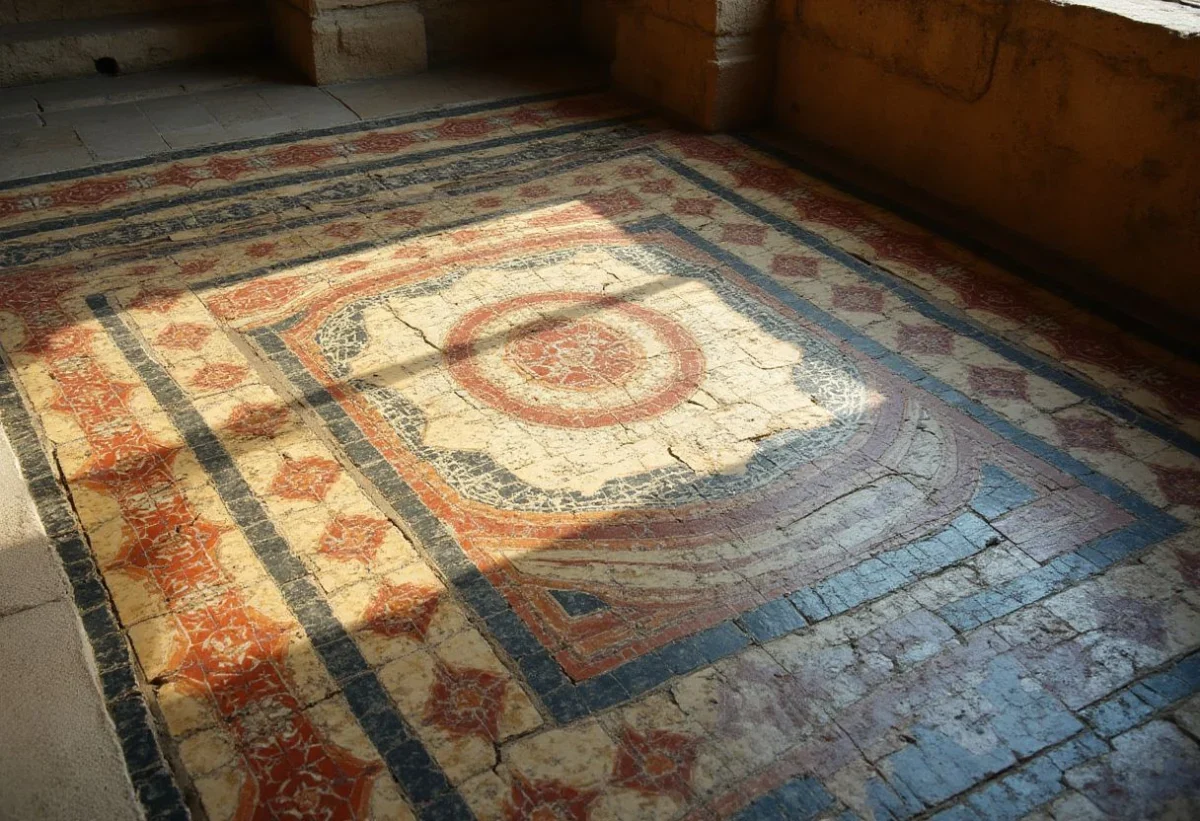
The intrigues woven around the concept of heritage evoke a mosaic of historical narratives, cultural legacies, and priceless treasures that transcend the boundaries of time. Each stone, each artifact, each tradition tells a story, an essence that connects us to our ancestors and illuminates our path to the future. This exciting exploration of heritage highlights its indispensable role in shaping our collective identity and enriching our daily lives.
The tangible dimensions of heritage
The remnants of the past, visible and palpable, constitute the most recognizable face of heritage. These tangible elements are the silent witnesses of bygone civilizations, bearers of memory and knowledge. They come in various forms and embody the richness of our history.
- Historical monuments: cathedrals, castles, and ancient buildings, true architectural masterpieces, are permanent emblems that defy the passage of time and illustrate human genius.
- Archaeological sites: each site, whether a Roman ruin or a prehistoric necropolis, offers a window into distant eras and allows us to decipher the ways of life of our ancestors.
- Museum collections: artifacts, whether sculptures, paintings, or everyday objects, gathered in museums, tell fascinating stories about the evolution of humanity.
Intangible heritage: a source of knowledge and wisdom
Beyond physical structures, intangible heritage constitutes a vital dimension, often less tangible but equally precious. This living heritage encompasses a vast array of traditions and cultural practices that persist through generations.
Oral traditions, for example, include tales, legends, and songs passed down orally, thus ensuring the continuity of ancestral knowledge. Ritual practices and celebrations, such as festivals or rites, also play a fundamental role in social cohesion and identity affirmation. Finally, artistic expressions, such as dance, music, or crafts, testify to the creativity and ingenuity unique to each culture.
The protection and promotion of heritage
Preserving our heritage requires concerted efforts at the global, national, and local levels. Various strategies and initiatives are being implemented to protect these precious legacies from the erosion of time and contemporary threats, such as those proposed by patrimy.
The legislations adopted aim to conserve historical monuments and sites, while international organizations, such as UNESCO, play a crucial role in recognizing and preserving world cultural heritages. Additionally, local communities, through their actions and commitment, actively participate in the conservation and enhancement of their heritage, thus keeping their legacy alive and thriving.
Heritage and sustainable development
The link between heritage and sustainable development is an increasingly recognized synergy. Heritage acts as a powerful economic lever while serving as a pillar for social and environmental development.
- Cultural tourism, centered around heritage sites, generates significant revenue and creates local jobs, thereby stimulating the regional economy.
- The preservation of natural resources, often integrated into heritage, supports biodiversity and promotes environmentally friendly practices.
- Educational initiatives, which incorporate heritage into school curricula, raise awareness among young generations about the importance of safeguarding their heritage.
Through its multiple facets, heritage remains a vector of identity, an inexhaustible source of inspiration, and a driver of development. Each stone, each tradition, each memory has its place in our collective history, contributing to forging an unbreakable link between the past, the present, and the future.