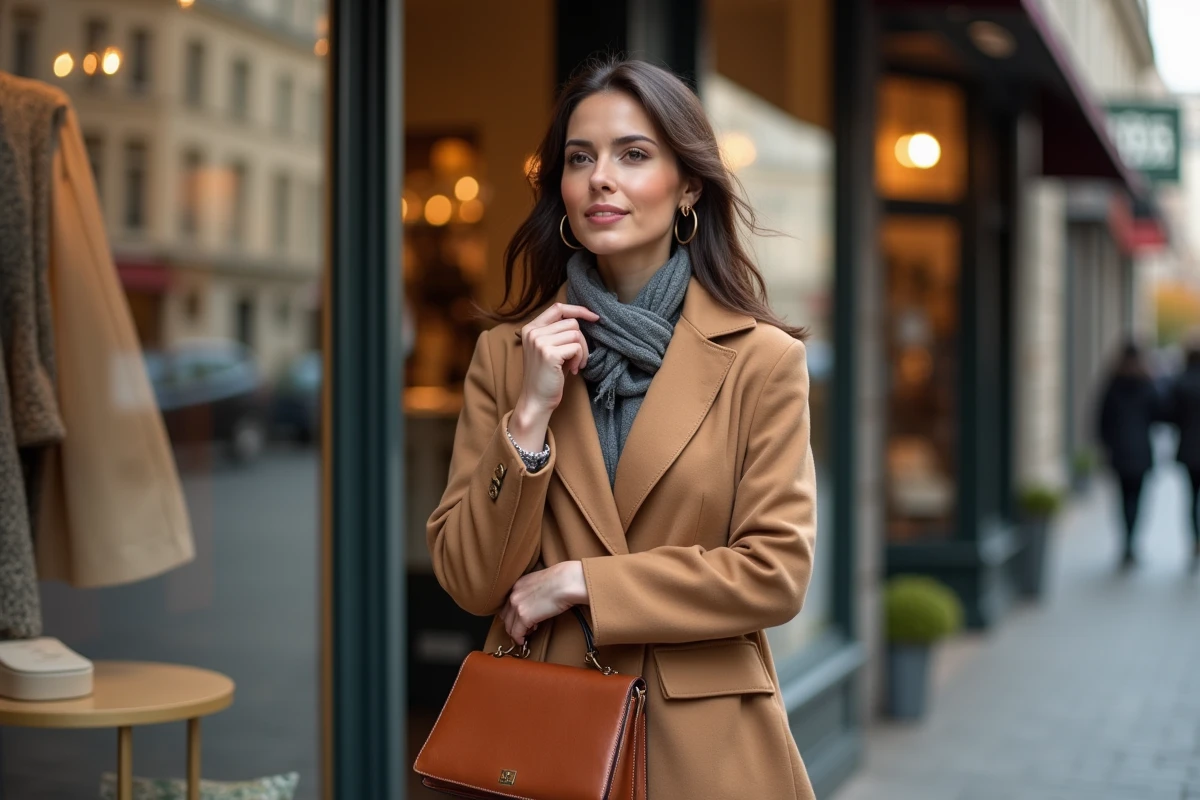
The fashion accessories market is going through a phase where standout pieces take precedence over discreet accumulation. The trend editorials published by Vogue France and Elle France for 2025-2026 converge on the same observation: wide belts, sculptural jewelry, structured bags, and statement sunglasses now function as focal points, not just as simple decorative additions. This shift changes the way we select our accessories on a daily basis.
Structuring Accessories: When the Bag or Belt Redefines the Silhouette
The clearest trend over the past two seasons concerns so-called “chic utilitarian” accessories. Harper’s Bazaar France and Marie Claire France describe them as pieces capable of structuring the silhouette rather than merely decorating it. A short bag alters the shoulder line. A thick belt worn high redefines the waist.
This change has a practical consequence on choice: the shape and volume of the accessory matter as much as its color or material. A rigid baguette bag does not produce the same effect as a soft tote, even in the same color. The question is no longer “which accessory goes with this outfit” but “which accessory transforms this outfit”.
To explore different categories of pieces that respond to this logic, the accessories on Stylissima allow for comparison of models categorized by type and use.
Mix and Match Jewelry: The New Rules of the Game
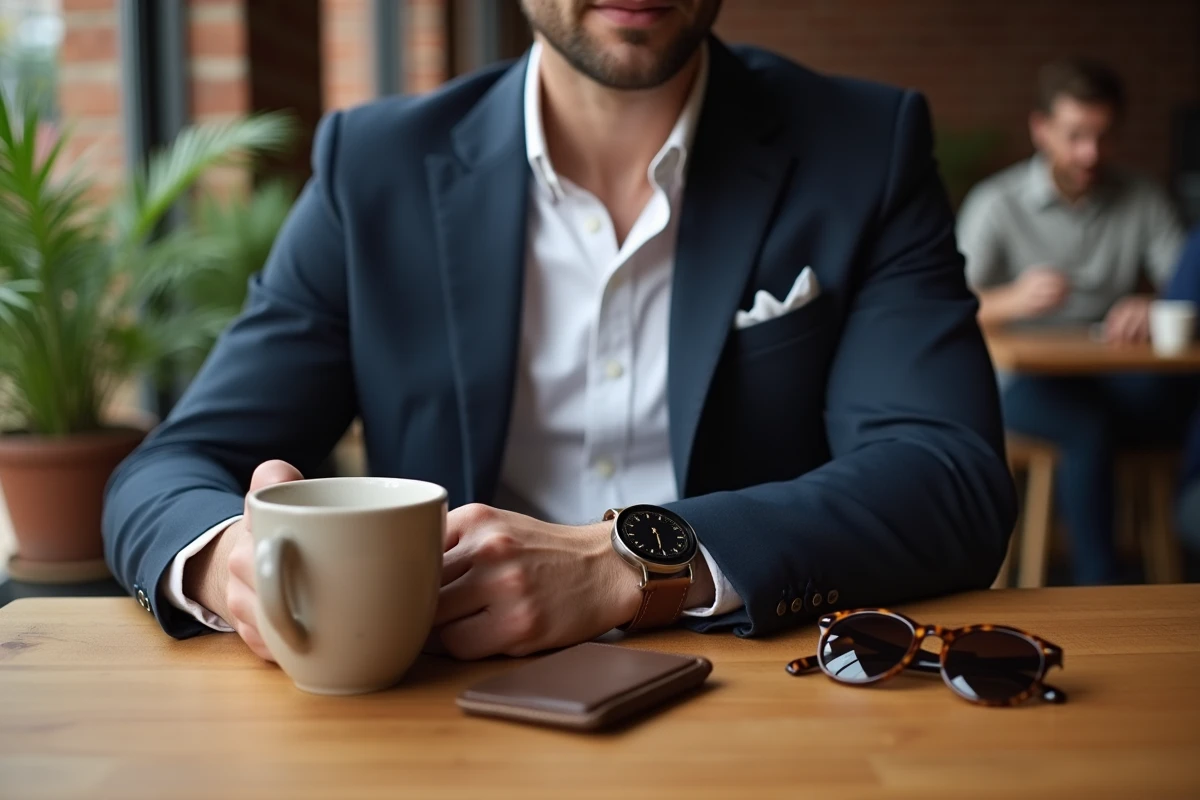
The layering of necklaces, the accumulation of bracelets, and the combination of different metals are no longer considered fashion faux pas. Several recent style guides present “mix and match” as a way to assert identity, breaking away from the old rules of strict coordination.
This means that mixing gold and silver on the same wrist is now common in brand offerings. Stacking rings (several thin rings on the same hand) illustrate this logic of controlled accumulation.
What Works and What Overwhelms
The limit of mix and match remains vague. Some stylists recommend a maximum of three visible metals at the same time, while others believe that only the overall visual balance matters, without a numerical rule.
- Layering two or three necklaces of different lengths creates a depth effect on a simple neckline, provided the chains do not visually tangle.
- Combining a cuff bracelet with thin bangles on the same arm works if the cuff remains the dominant piece.
- Pairing statement earrings with a chunky necklace risks dispersing the gaze: one focal point per area of the body remains the most reliable guideline.
Choosing a Trendy Accessory in Leather or Fabric: Concrete Criteria
Leather remains the reference material for bags and belts. Its durability and patina over time make it a rational long-term choice. Alternatives in plant-based leather or recycled materials are gaining visibility, but the available data does not allow for conclusions about their longevity compared to leather after several years of daily use.
For a bag, the determining criterion is neither the brand nor the color, but the rigidity of the structure and the quality of the finishes (stitching, closures, lining). A structured bag in grained leather withstands deformation better than a model in soft smooth leather, which marks more quickly.
Fabric Accessory: The Scarf as an Underestimated Variable
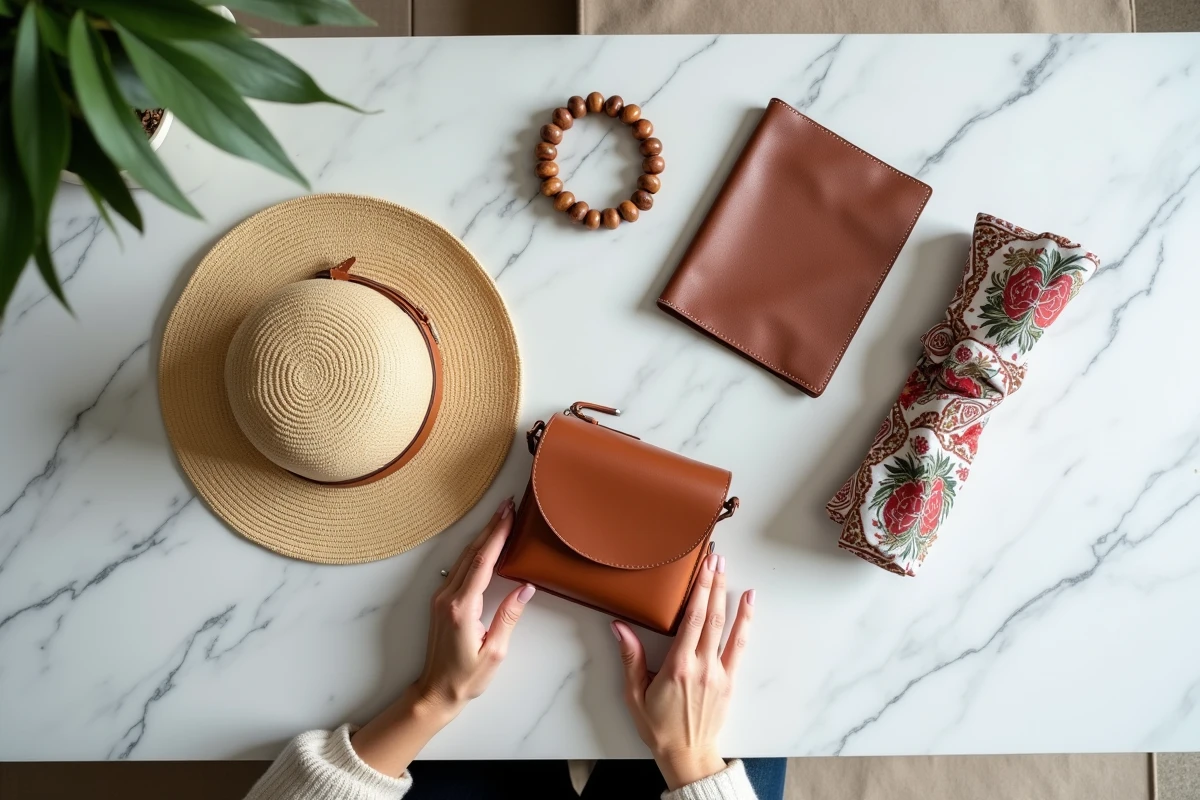
The scarf is probably the most versatile and least expensive piece in the accessory wardrobe. Tied around the neck, worn as a headband, or attached to a bag handle, it alters the perception of an outfit without a heavy investment. Silk or satin scarves produce a different drape than cotton models, which directly influences the overall look.
A scarf with strong patterns (geometric, large floral) works better with a solid outfit. Conversely, a solid scarf in a bright color can refresh a printed look, provided it picks up one of the shades already present in the outfit.
Accessories and Body Shape: Adapting Volume to Your Silhouette
Classic fashion guides emphasize color coordination but often overlook the question of proportions. An oversized bag worn by a petite silhouette visually overwhelms the person. A very fine piece of jewelry on a wide neckline goes unnoticed.
- Voluminous accessories (XL bags, corset belts, statement necklaces) are better suited for silhouettes that wish to structure or widen an area.
- Fine and long pieces (chains, lariats, narrow clutches) visually elongate and suit body shapes looking to stretch the line.
- Pointed-toe shoes or moderate-heeled shoes alter overall posture more than any piece of jewelry and deserve to be considered the primary style accessory, not the last.
The question of body shape is not limited to a fixed grid. Testing an accessory in front of a full-length mirror remains more reliable than any categorical system (A, H, V, O), as perception also depends on posture, hairstyle, and the colors worn that day.
The choice of trendy accessories relies less on following trends than on understanding what each piece does to the silhouette. One well-sized and well-placed accessory has more impact than an accumulation of coordinated pieces. The diversity of bodies and styles renders any universal rule obsolete: each combination deserves to be tested on its own.