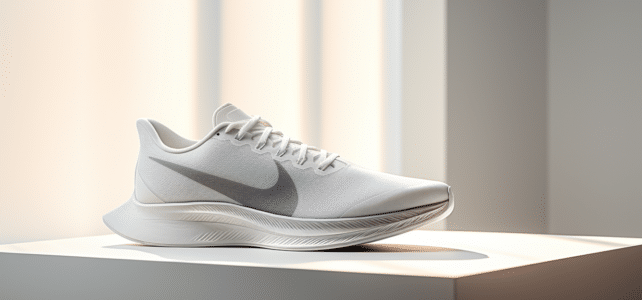
In a market saturated with counterfeits, sneaker enthusiasts are constantly on the lookout for methods to verify the authenticity of their Nike shoes. With increasingly convincing copies, it becomes essential to know the tricks to distinguish the real from the fake. The UPC (Universal Product Code) proves to be a valuable tool in this process. It is a unique series of numbers for each pair of shoes, which, when compared to the manufacturer’s data, can confirm the authentic origin of the product. Other clues, such as the quality of materials, the accuracy of logos, and the stitching work, are also key indicators to watch for.
Decoding the UPC for Nike sneaker authentication
Determining the authenticity of a pair of Nike sneakers inevitably involves checking the UPC code. This identifier, found on the box label or sewn onto the tongue, is a reliable indicator for authenticating products. Each pair of Nikes has a unique serial number, which, once verified, can confirm or refute the official origin of the product. Savvy consumers can use mobile apps or online tools to facilitate this Nike UPC code verification, a simple gesture that can save you from purchasing a counterfeit.
Related reading : Discover the best tips for easily maintaining and customizing your motorcycle
The flagship tool for this task is the GEPIR website, which allows you to check if the UPC code matches the data recorded by the manufacturer. A matching code is a sign of an authentic product, while a discrepancy raises questions about the origin of the sneakers. The EAN/UPC code, as an identifier, also reveals the manufacturer and the geographical origin of the product, valuable information that dispels doubts about the legitimacy of the Nike sneakers you desire.
It should be emphasized that the UPC code is just one element among others. The quality of craftsmanship, the accuracy of the placement and shape of the Nike logo, and the consistency of serial numbers are details to examine with meticulous attention. Consumers must handle these various authentication tools rigorously to ensure the veracity of their acquisition. The knowledge of distinctive signs of Nike products and the judicious use of available resources are essential allies for consumers in the fight against counterfeiting.
See also : How to Prove the Unsanitary Condition of Your Housing to the Tax Authorities: Steps and Tips

Additional tips for recognizing genuine Nikes
In the face of the proliferation of counterfeits, consumers, collectors, and brand enthusiasts must remain vigilant. Beyond the UPC code, other signs can alert you. The price, for example, is often an indicator; an offer that seems too good to be true should raise your suspicions. In the realm of sneakers, the adage ‘too good to be true’ is often validated. Be wary of ridiculously low prices for models like Air Max or Air Jordans, which are often targets of illicit reproductions.
Carefully examine the shoe box. An authentic Nike box should reflect the quality one expects from a global leader in sports and fashion. Poor print quality, typographical errors, or substandard cardboard are telltale signs of counterfeiting. The Nike logo should be flawless, without smudges or distortions. These details, although subtle, are undeniable markers of authenticity.
Do not overlook the photos of the product. Request detailed images and compare them with those found on official databases or the websites of authorized retailers. Be cautious of offers on platforms like Facebook Marketplace, Vinted, or FB groups, where photos can be misleading. Use mobile apps dedicated to verifying serial numbers and do not hesitate to consult online collector communities to seek their expertise. Vigilance and collective expertise are effective barriers against deception.