450,000 households. This figure is anything but abstract: it reflects entire lives shaken by humidity, cold, or the fear that a ceiling might collapse at night. In this context, obtaining recognition of an uninhabitable dwelling from the tax administration involves a rigorous, structured process, where emotional elbow-to-elbow gives way to strict procedure. Without a solid file or official report, your request will remain a dead letter. A journey governed by precise rules, often unknown, where nothing is improvised.
Recognizing an uninhabitable dwelling: signs and official criteria
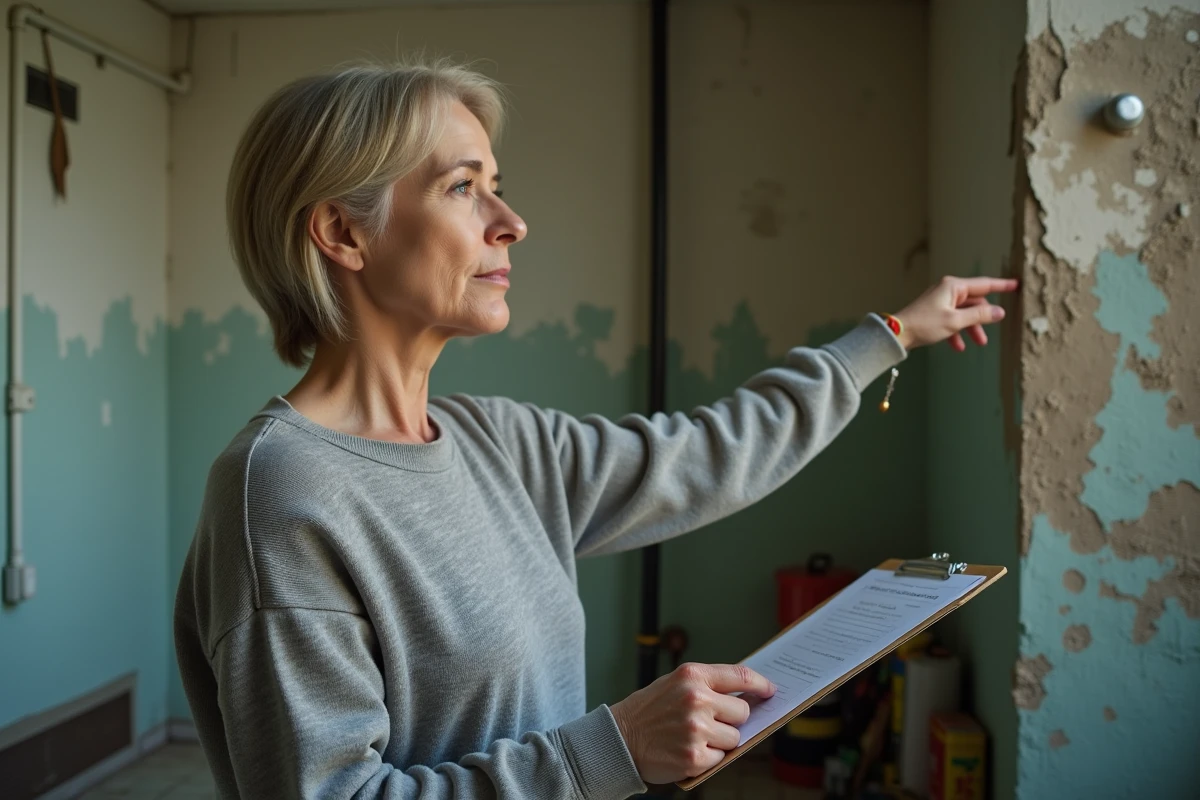
Far from stereotypes, an unhealthy habitat manifests through concrete flaws: traces of mold on walls, absent insulation, electrical circuits worn out by the years, drinking water that is hard to come by, not to mention insects or rodents residing permanently. The departmental health regulations (RSD) set clear limits, and when they are crossed, the health of the occupants is at stake. Humidity, outdated installations, and lack of lighting become warning signals.
The term indecent housing encompasses several situations: uninhabitability, structural risks, non-compliance with minimum hygiene standards. The Public Health Code lists the criteria for uninhabitability: toxic materials, lack of ventilation, serious defects in solidity or natural light. As for the Building and Housing Code, it establishes the framework for mandatory procedures. Any serious defect: absence of guardrails, cracked ceilings, exposed electrical wires, warrants immediate reporting.
Several concrete situations call for immediate action:
- Presence of lead or asbestos before work
- Unstable or dilapidated building structure
- Actual absence of heating or ventilation
- Major risks of collapse or fire outbreak
To remember: a dwelling deemed “indecent” does not necessarily equate to uninhabitability, which remains an administrative decision. Without a report from the competent services, nothing moves. To declare an uninhabitable dwelling on Flash Immobilier, one must first gather all these initial signs and supporting documents, which will guide the next steps in dealing with the tax authorities.
Formal evidence to convince the tax administration
A request to the tax office never relies solely on simple impressions or photos piled up over the months. A legally unassailable file is required. The bailiff’s report, carried out by a ministerial officer, remains the key document: it documents each anomaly, sets the date, and includes indisputable photographs. Its value is recognized by the administrations in case of dispute.
Contacting the communal hygiene and health service (SCHS) or the regional health agency (ARS) is essential, particularly to obtain a report of uninhabitability. After a visit, these agents write a detailed report that becomes the pivot of the file submitted to the prefect and the tax services. It mentions the impact (health risks, failing safety), with supporting evidence.
There is nothing to prevent adding other complementary documents: dated photos, registered correspondence, quotes from craftsmen who came to assess the damage, or reports from firefighters. The official notification on the Signal Logement platform also constitutes an administrative proof of the situation.
To build a solid file, these elements should be gathered:
- Official report from a bailiff
- Report from the SCHS or ARS
- Detailed photos, registered letters, attestations from professionals
The coherence of the file and its precision often make the difference in obtaining a favorable outcome against the tax administration.
What remedies and concrete steps to take?
A dwelling declared uninhabitable leads to immediate consequences: the prefect can sign an uninhabitable order, imposing mandatory repairs on the owner, with relocation if necessary. Without a response from the landlord, the prefect has the work carried out at the owner’s expense, or even prohibits access to the dwelling. In the event of a new order, the relocation is entirely borne by the owner.
Tenants are not helpless. They can approach the departmental conciliation commission to seek an agreement, or, if necessary, take the matter to the judicial court, block the rent, obtain compensation, or establish the lack of decency. If the dwelling no longer meets minimum requirements, the CAF or MSA may suspend aid.
Support and advice can be obtained through specialized associations or the Departmental Pole for the Fight Against Indecent Housing, which centralizes administrative procedures, guiding victims in managing taxes (property, housing) and the exemption process if needed.
The main avenues for asserting your rights can be summarized as follows:
- Uninhabitable order: mandatory repairs, relocation, sanctions in case of refusal
- Recourse to conciliation or court, depending on the severity of the dispute
- Support from public institutions and dedicated associations
For the owner, the risk is far from symbolic: penalties, fines, exclusion from certain aid programs. In great peril, the mayor may decide to act urgently to ensure the health of residents. In the shadow of these dilapidated walls, the law does not waver: it charts the way out, even if the path is sometimes long and steep.