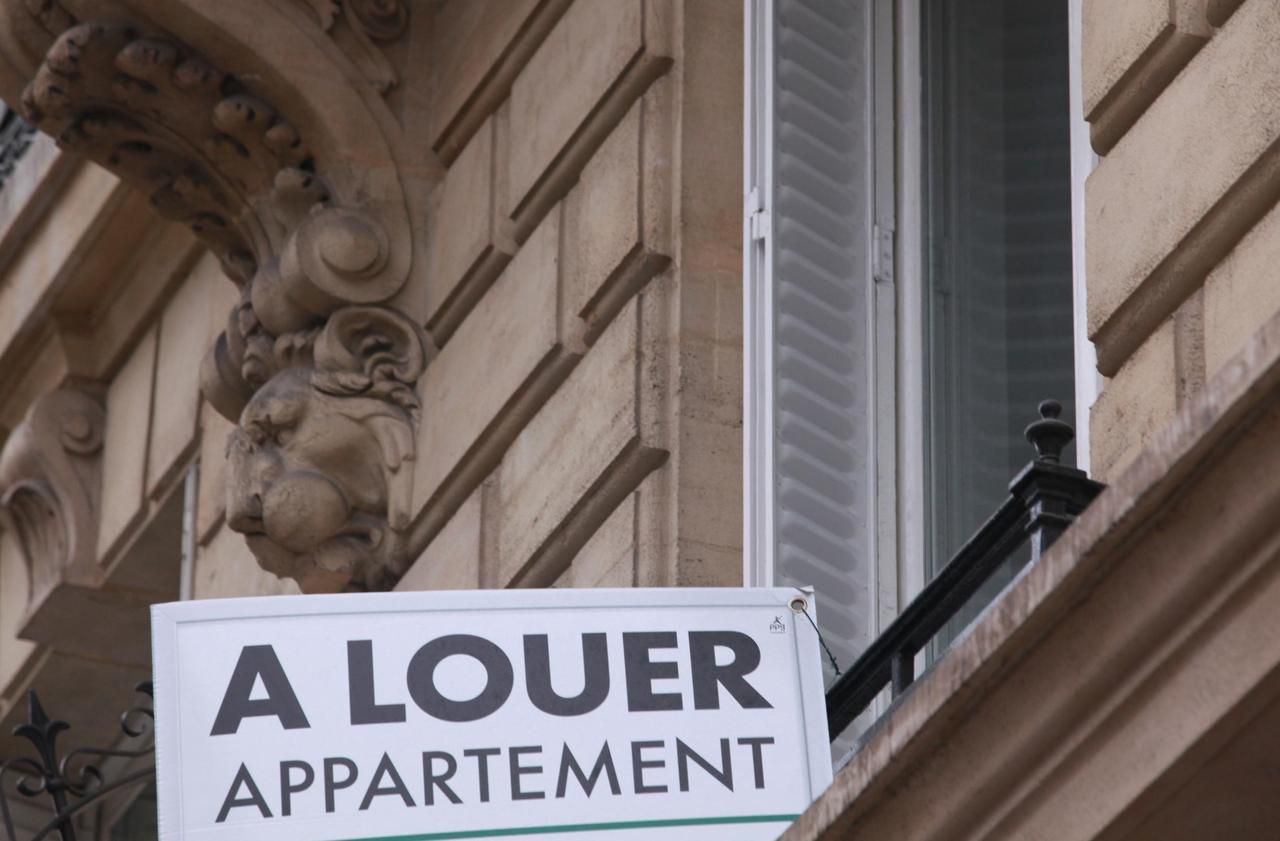
Launched in 2015, the Pinel, which allows investment in new properties while reducing taxes, is expected by the government to be followed by Denormandie, a mechanism reserved for older properties. Tax-free rental investment helps to develop an affordable housing supply. (Illustration) LP/Olivier Boitet by Odile Plichon (@oplichon) May 23, 2019, at 06:02, modified May 23, 2019, at 10:18 Every year, when her clients file their taxes, Emmanuelle Gohin, a wealth management advisor in Paris, wonders why there is no longer any rush for the Pinel. For her, undoubtedly: this regime, which allows substantial tax reductions for individuals investing in new properties, is a golden opportunity!
After Perissol (1996), Besson (1999), Robien (2003), Scellier (2008), and others, Pinel has ruled on tax-exempt rental investments since 2015. When launching it, the government’s objective was twofold. First, support for construction: “At the height of its success, in 2017, the Pinel achieved 70,000 housing sales per year out of a total of 266,000,” says Jacques Chanut, president of the French Federation of Belgium (FFB). “Then, and above all, it was about developing an intermediate housing supply with affordable rents in tight areas (Ed.: where finding housing is difficult),” deciphered the Ministry of City and Housing. In 2019, the Pinel (with the end of Duflot) cost the state budget 767 million euros.
You may also like : Demystifying the Cadastre in Algeria: Step-by-Step Guide to Obtaining a Negative Certificate
A potentially very lucrative operation
.
Specifically, investors (individuals, therefore), who commit to renting their property for less than the market price, receive in return the right to deduct part of their real estate purchase from their taxes for a certain period of time.
Further reading : Pinel Law: The Capping of Commissions is Useless!
For example, if you buy a property for €224,000 and opt for a Pinel over 9 years, during this period, your average monthly expenses will be €1,072 (loan repayment, death insurance, property tax), while your income will be €858 (rent collected, repayment) tax reduction). This will cost you €214 per month.
At the end of the nine years, you can increase the rent or sell the property. A potentially very lucrative operation, therefore, provided you follow some common-sense advice, such as not buying the property without seeing it, or not investing just anywhere.
The Pinel ends at the end of 2020
Since its beginnings in 2019 – but the decrees were only released at the end of March – another scheme has emerged: Denormandie, named after the current Minister of Housing. This time, the goal is to help private owners renovate old homes located in the city centers of small and medium-sized municipalities, in exchange for a tax incentive. While the scheme is attractive, the professionals interviewed are skeptical.
“In municipalities without dynamism, the challenge of finding permanent tenants is real,” emphasizes Franck Vignaud, director of the Real Estate Laboratory, who also highlights “the difficulty for a person to carry out significant renovations.
Until we know whether Denormandie will find its audience or not, the French Federation of Building is already thinking about the new side: “As the Pinel will stop at the end of 2020, we should set the contours of the upcoming scheme as early as 2019,” warns Jacques Chanut. It is impossible for this professional to consider that the government will not follow up on Pinel.
Pinel and Denormandie Laws, user manual
Who is involved?
Pinel Law and Denormandie Law: anyone without income conditions paying income tax. Newsletter “It pays me” The newsletter that enhances your purchasing power Subscribe with your email address is sticky
cited by Le Parisien to allow you to receive our news and commercial offers. Read more
What type of property?
Pinel Law: new housing €300,000 maximum (two acquisitions maximum per year) €5,500/m² maximum.
Denormandie Law: old housing €300,000 maximum €5,500/m² maximum.
Where can you buy?
Pinel Law: in tight areas like Paris and its suburbs, Lyon, Rennes, Toulouse classified A bis, A, and B1.
Denormandie Law: in the city centers of 244 medium-sized towns, including 229 in metropolitan France.
What tax advantage?
Pinel Law and Denormandie Law: the tax reduction is 12%, 18%, or 21% of the total cost (property price plus notary fees) depending on the rental duration.
How long to rent?
Pinel Law and Denormandie Law: six, nine, or twelve years at the investor’s choice. Beyond an initial minimum period of six years, the investor can extend their tax exemption for a period of three years, twice.
More info at immofactory.net